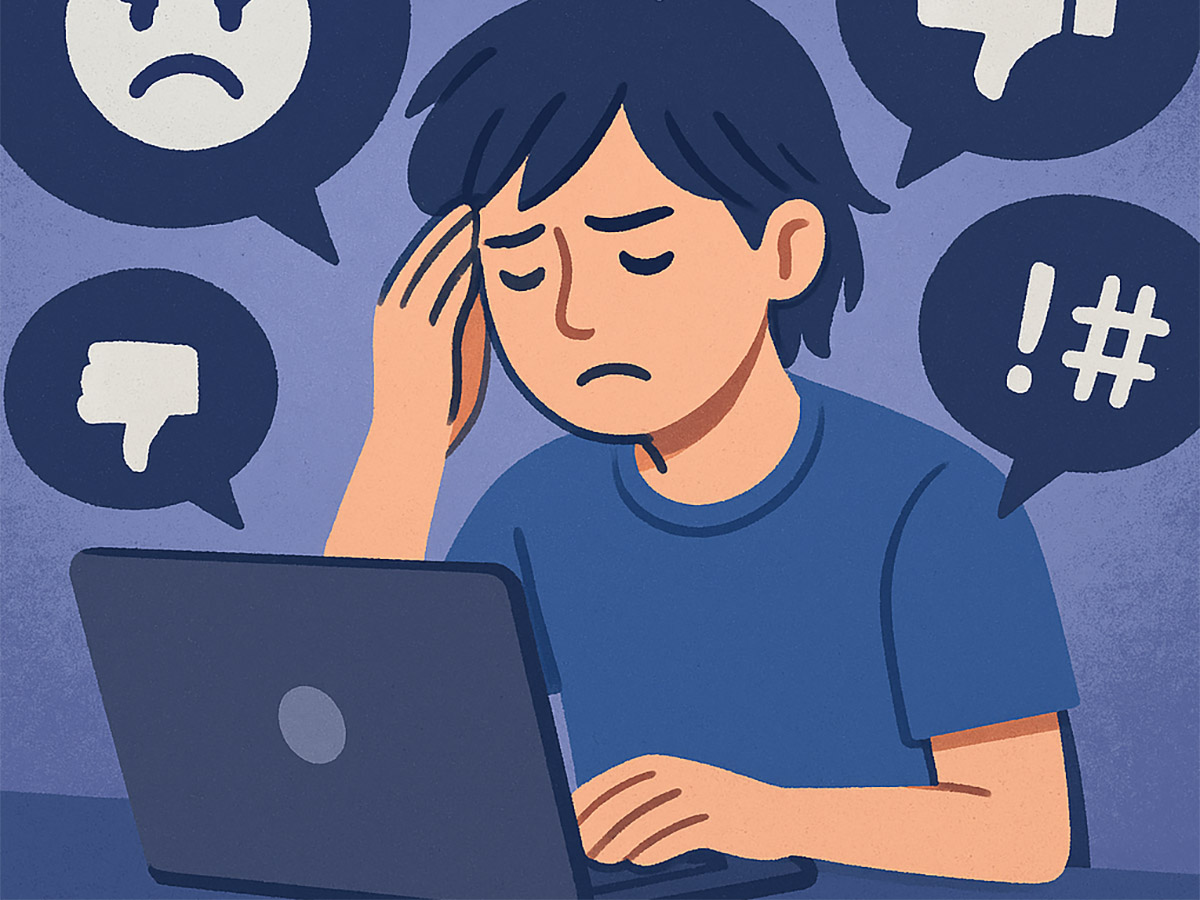
One of the most significant risks associated with problematic online shopping is its impact on mental health. Compulsive buying behaviour may function as a maladaptive coping strategy for underlying psychological difficulties such as anxiety, depression and low self-esteem (Duroy, Gorse, & Lejoyeux, 2014). Individuals may engage in online shopping to temporarily alleviate negative emotional states or to experience short-term gratification. However, this relief is often followed by guilt, regret and heightened distress, contributing to a recurring cycle that can intensify pre-existing mental health concerns.
Research indicates that individuals who engage in compulsive online shopping frequently report elevated levels of stress, impulsivity and emotional instability. Müller et al. (2015) found that individuals with compulsive buying tendencies experience greater fluctuations in mood and heightened impulsive traits compared with non-compulsive shoppers. The purchasing process—particularly in online environments where transactions are rapid and frictionless—can produce short-term reward responses. Over time, however, repeated engagement may be associated with emotional dysregulation and a growing sense of diminished control over one’s behaviour (Black, Shaw, & Allen, 2018).
The anonymity and constant availability of online shopping platforms may further reinforce problematic patterns of use. The ability to shop privately, at any time of day, can reduce external constraints and increase impulsive purchasing. Compared with physical retail settings, online environments lower immediate psychological and social barriers to excessive spending, potentially facilitating the persistence of compulsive buying behaviours (Billieux, Rochat, Rebetez, & Van der Linden, 2008).
Financial distress is a well-documented consequence of compulsive buying behaviour in online contexts. Individuals who engage in problematic online shopping may consistently spend beyond their financial means, resulting in debt accumulation, difficulty meeting financial obligations or, in severe cases, bankruptcy (Workman & Paper, 2010). The widespread availability of digital credit options, including “buy now, pay later” services, may further exacerbate these risks by delaying the perceived consequences of spending.
Ridgway, Kukar-Kinney, and Monroe (2008) found that compulsive buyers are more likely to engage in problematic credit use and often underestimate the long-term financial implications of their purchasing behaviour. Over time, mounting financial strain can increase stress and anxiety, which may in turn reinforce further compulsive buying as a means of emotional relief. The absence of tangible money exchange in online transactions can also distort perceptions of spending, making it more difficult for individuals to accurately monitor their financial behaviour (Duroy et al., 2014).
Financial difficulties linked to excessive online shopping may have broader life impacts, including depletion of savings, inability to meet basic living expenses and damage to credit ratings. These outcomes can restrict access to housing, loans and other forms of financial support, amplifying the overall burden on individuals and their families.
Problematic online shopping can adversely affect interpersonal relationships and broader social functioning. As purchasing behaviours become more compulsive, individuals may devote increasing amounts of time and cognitive attention to shopping activities, sometimes at the expense of social engagement. Feelings of shame or embarrassment about spending habits may further contribute to social withdrawal and isolation (Rose & Dhandayudham, 2014). Over time, these patterns can erode trust and emotional closeness within personal relationships, particularly when financial consequences impact shared resources.
Compulsive buying behaviour may also contribute to interpersonal conflict. Excessive or concealed spending can lead to disputes between partners or family members, especially when financial instability emerges as a result of repeated purchases. In some cases, individuals may attempt to minimise or conceal their behaviour, increasing secrecy and strain within relationships (Hertlein & Blumer, 2014).
Beyond personal relationships, problematic online shopping can affect occupational functioning. Engagement in online shopping during work hours may reduce productivity and concentration, leading to poorer job performance. In some situations, persistent difficulties managing shopping behaviours can contribute to workplace disciplinary action or job loss, compounding both financial and social stressors (Thompson & Prendergast, 2015).
Compulsive online shopping is closely linked to consumer culture and processes of self-identity formation. Digital marketing, social media and influencer-driven advertising increasingly frame consumption as a form of self-expression and social comparison. For some individuals, pressure to maintain a desired image or lifestyle may encourage excessive purchasing as a means of reinforcing identity or social status (Rindfleisch, Burroughs, & Denton, 1997). Over time, this reliance on material acquisition for self-validation can undermine self-esteem and contribute to emotional distress.
As problematic shopping behaviours intensify, individuals may feel increasingly embedded in cycles of consumption that are difficult to disrupt. Continuous exposure to targeted advertising, personalised recommendations and time-limited promotions can heighten urges to purchase, particularly when self-worth becomes closely tied to material possessions (Rindfleisch et al., 1997). This dynamic may gradually weaken an individual’s sense of identity and autonomy, reinforcing emotional vulnerability and psychological strain.
In conclusion, problematic online shopping and compulsive buying behaviour pose meaningful risks to psychological, financial and social well-being. While not classified as a behavioural addiction, compulsive online shopping can involve loss of control, emotional distress and persistent negative consequences. Easy access, seamless purchasing processes and pervasive digital marketing can intensify these patterns, contributing to financial hardship, strained relationships and deteriorating mental health. As online retail environments continue to expand, increasing awareness of compulsive buying behaviours and promoting responsible consumption is essential. Early identification and appropriate interventions, including psychological support and financial counselling, may help individuals regain control over their behaviour and reduce associated harms.
Billieux, J., Rochat, L., Rebetez, M. M., & Van der Linden, M. (2008). Are all facets of impulsivity related to self-reported compulsive buying behavior? Personality and Individual Differences, 44(6), 1432-1442.
Black, D. W., Shaw, M., & Allen, J. (2018). Pathological gambling and compulsive buying: Do they fall within an obsessive-compulsive spectrum? Dialogues in Clinical Neuroscience, 10(2), 175-185.
Duroy, D., Gorse, P., & Lejoyeux, M. (2014). Characteristics of online compulsive buying in Parisian students. Addictive Behaviors, 39(12), 1827-1830.
Hertlein, K. M., & Blumer, M. L. C. (2014). The couple and family technology framework: Intimate relationships in a digital age. Routledge.
Müller, A., Mitchell, J. E., Crosby, R. D., Cao, L., Claes, L., & de Zwaan, M. (2015). Mood states preceding and following compulsive buying episodes: An ecological momentary assessment study. Psychiatry Research, 225(3), 487-491.
Ridgway, N. M., Kukar-Kinney, M., & Monroe, K. B. (2008). An expanded conceptualization and a new measure of compulsive buying. Journal of Consumer Research, 35(4), 622-639.
Rindfleisch, A., Burroughs, J. E., & Denton, F. (1997). Family structure, materialism, and compulsive consumption. Journal of Consumer Research, 23(4), 312-325.
Rose, S., & Dhandayudham, A. (2014). Towards an understanding of Internet-based problem shopping behaviour: The concept of online shopping addiction and its proposed predictors. Journal of Behavioral Addictions, 3(2), 83-89.
Thompson, C. J., & Prendergast, G. P. (2015). The effects of online shopping experiences on compulsive shopping behavior. Computers in Human Behavior, 41, 115-123.
Workman, L., & Paper, D. (2010). Compulsive buying: A theoretical framework. Journal of Business Inquiry, 9(1), 89-126.
Should you find any content in these articles in any way distressing, please seek support via Find a Help Line.
Seek Help