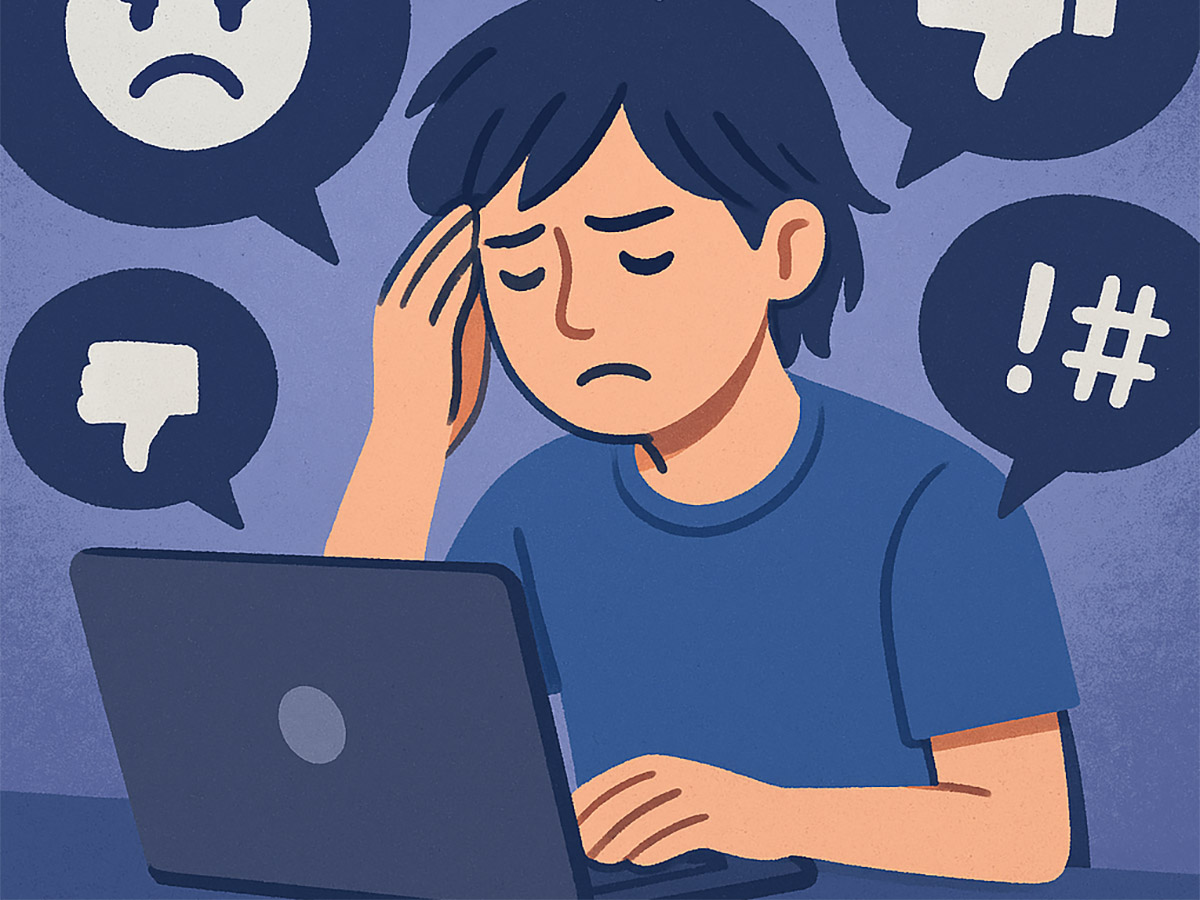
One of the most concerning risks of problematic VR use is its effect on mental health. Individuals who spend excessive amounts of time in virtual environments may begin to blur the boundaries between virtual and real life. This phenomenon, known as “derealisation,” can lead to feelings of detachment from reality, where individuals feel that the physical world is less real or significant than the virtual world (Li, 2017). Over time, this dissociation can contribute to serious mental health issues, such as anxiety and depression, particularly when individuals become increasingly drawn to virtual spaces as a way of escaping real-life stressors or emotional difficulties.
Research suggests that the immersive nature of VR intensifies its addiction-like potential compared to other forms of media, such as video games or social media. VR environments provide users with a sense of presence, or the feeling of “being there,” which can create a stronger emotional attachment to virtual experiences (Ratan, Beyea, Li, & Graciano, 2020). As a result, users may prioritise VR engagement over real-world responsibilities, such as work, school or relationships, leading to feelings of guilt, frustration and a diminished sense of self-worth.
Furthermore, problematic VR use can exacerbate pre-existing mental health conditions. For instance, individuals with social anxiety may retreat into virtual worlds to avoid face-to-face interactions, which can reinforce avoidance behaviours and hinder their ability to overcome anxiety in real-life situations (Stein, 2020). The longer individuals spend in virtual environments, the more likely they are to experience emotional dysregulation, as reliance on VR as a coping strategy limits the development of healthy emotional responses to real-world challenges.
The physical risks associated with problematic VR use are another major concern. One of the most immediate effects of prolonged VR exposure is “virtual reality sickness,” which is similar to motion sickness. Symptoms include dizziness, nausea, headaches and eye strain (Munafo, Diedrick, & Stoffregen, 2017). While these symptoms are often temporary, sustained and excessive VR use can contribute to more serious health problems, particularly when individuals ignore physical warning signs and continue engaging for extended periods.
Another critical issue is the sedentary lifestyle that frequently accompanies excessive VR use. Although some VR applications encourage physical movement, many users remain largely stationary during virtual experiences. This lack of physical activity can contribute to a range of health problems, including obesity, cardiovascular disease and musculoskeletal issues (Zhou, Ji, & Jiang, 2019). In addition, prolonged VR engagement can disrupt healthy sleep patterns. The blue light emitted by VR headsets interferes with melatonin production, making it more difficult to fall asleep and maintain a consistent sleep routine. Over time, sleep deprivation can result in cognitive impairment, mood instability and an increased risk of chronic health conditions (Hale & Guan, 2015).
Extended use of VR may also lead to physical discomfort, such as neck and back pain, due to sustained postures adopted while wearing head-mounted displays. In more severe cases, individuals may develop repetitive strain injuries from frequent controller use, particularly in applications requiring repetitive hand and wrist movements. Together, these physical effects can significantly diminish overall well-being and quality of life.
Problematic VR use can also negatively affect social relationships. While VR provides opportunities for social connection through virtual communities and multiplayer environments, excessive engagement can contribute to social withdrawal in the physical world. Individuals who develop compulsive patterns of VR use may reduce participation in real-life interactions, instead favouring time spent with virtual peers or digital characters (Schutte, Stilinović, & Høgh-Olesen, 2021). This shift can place strain on relationships with family and friends, who may feel neglected or excluded from the individual’s daily life.
In addition, heavy reliance on virtual interaction can impair real-world communication skills. Virtual environments often limit or alter non-verbal cues such as facial expressions, tone of voice and body language. Over time, reduced exposure to these cues can make real-world social interactions more challenging, contributing to feelings of loneliness and social discomfort. In extreme situations, persistent problematic VR use may contribute to relationship breakdowns, as individuals prioritise virtual engagement over maintaining meaningful offline connections.
Compulsive and excessive VR engagement can also undermine academic and occupational performance. Similar to other forms of problematic digital use, individuals may struggle with time management, devoting prolonged periods to virtual environments at the expense of essential responsibilities. This pattern can result in missed deadlines, reduced productivity and poorer performance outcomes (Turel, Serenko, & Giles, 2011). In educational contexts, students may find it difficult to concentrate or maintain consistent study habits, leading to declining academic results and heightened stress. In professional settings, employees may struggle to meet role expectations, placing their job performance and career progression at risk.
Cognitive impairments linked to disrupted sleep, as noted earlier, can further compromise academic and work functioning. Over time, the combined effects of reduced performance, chronic stress and diminished motivation may lead to burnout and a reduced sense of accomplishment, reinforcing maladaptive patterns of excessive VR engagement.
While virtual reality offers innovative opportunities for entertainment, education and social connection, patterns of excessive and addiction-like use pose significant risks to mental, physical and social well-being. Psychological effects such as derealisation, anxiety and emotional dysregulation can negatively impact mental health. Physically, prolonged and problematic VR use may contribute to motion sickness, sleep disruption and health risks associated with sedentary behaviour. Social relationships may suffer due to withdrawal and impaired communication skills, while academic and occupational performance can decline as responsibilities are neglected. As VR technologies continue to develop, increasing awareness of these risks and encouraging balanced, responsible use is essential to minimise harm and support healthy engagement.
Hale, L., & Guan, S. (2015). Screen time and sleep among school-aged children and adolescents: A systematic literature review. Sleep Medicine Reviews, 21, 50–58.
Li, H. (2017). Addicted to virtual reality: The role of flow and presence in virtual reality video game addiction. Cyberpsychology, Behavior, and Social Networking, 20(6), 423–429.
Munafo, J., Diedrick, M., & Stoffregen, T. A. (2017). The virtual reality head-mounted display Oculus Rift induces motion sickness and is sexist in its effects. Experimental Brain Research, 235(3), 889–901.
Ratan, R. A., Beyea, D., Li, B. J., & Graciano, L. (2020). Avatar characteristics induce users’ behavioral conformity with small-to-medium effect sizes: A meta-analysis of the Proteus effect. Media Psychology, 23(5), 651–675.
Schutte, N. S., Stilinović, E. J., & Høgh-Olesen, H. (2021). The effect of immersion on presence and enjoyment in video games. Cyberpsychology, Behavior, and Social Networking, 24(3), 177–182.
Stein, M. B. (2020). Virtual reality exposure therapy for anxiety and specific phobias. Psychiatric Clinics of North America, 43(3), 515–524.
Turel, O., Serenko, A., & Giles, P. (2011). Integrating technology addiction and use: An empirical investigation of online auction users. MIS Quarterly, 35(4), 1043–1061.
Zhou, F., Ji, B., & Jiang, C. (2019). Sedentary behaviors and health outcomes in adolescents: A meta-analysis. International Journal of Behavioral Medicine, 26(6), 603–616.
Should you find any content in these articles in any way distressing, please seek support via Find a Help Line.
Seek Help