
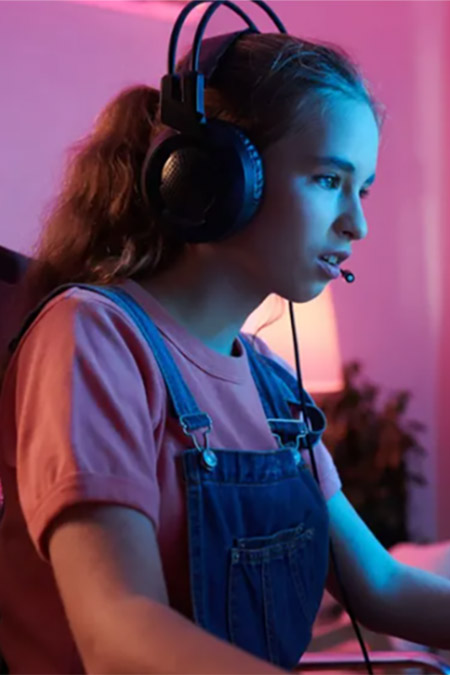
ednesday afternoons have become a ritual for 15-year-old Sadmir Perviz. It's a circuitous route from home in Perth to the Fiona Stanley Hospital - but it's worth it, he says, to sit down for a game of Dungeons & Dragons with people he may not know but with whom he shares a great deal in common.
Sadmir and his board game companions are just some of the 300 patients at the gaming disorder clinic, Australia's only publicly-run institution of its type, helping patients wean themselves off excessive online gaming habits.
The room where they meet is a simple space in a faceless hospital but in the corner, there's a pile of boardgames on a chair. Jenga, Uno and Sushi Go are also popular choices at the informal group which is attended by both patients and clinicians.
It's a bit of a departure for the 15-year-old who until a couple of months ago preferred to play games with friends online for 10 hours a day.
"It feels completely different," says Sadmir. "You get to roll the dice instead of clicking a button. You can interact with people, so you actually know who's there rather than just being on a call with random people."
Read the full article on BBC.
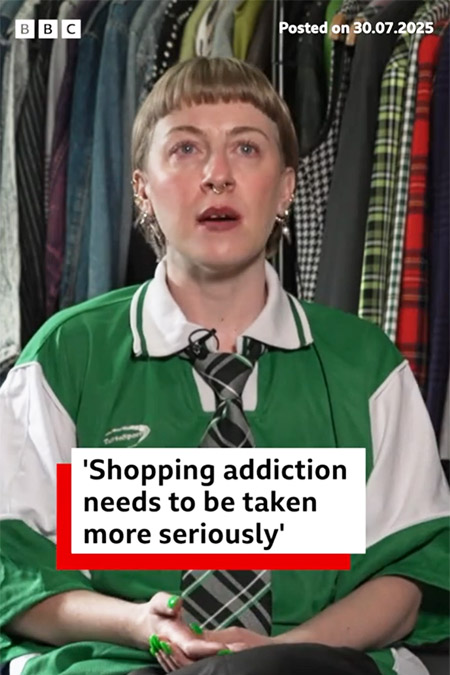
A day of retail therapy can be just the ticket for some people to help them feel better about themselves. But what happens when you can't stop shopping? Surrounded by racks of shirts, dresses and jumpers, Lucy tells me that she could spend up to 14 hours a day searching out new clothes as an escape from reality.
Read More
A Los Angeles jury has handed down an unprecedented win for a young woman who sued Meta and YouTube over her childhood addiction to social media. Jurors found that Meta, which owns Instagram, Facebook and WhatsApp, and Google, owner of YouTube, intentionally built addictive social media platforms that harmed the 20-year old's mental health.
Read More
Video games have become so good, and provide such a sensory smorgasbord of action and colour, that children are becoming dangerously addicted. They’re playing for days on end, to the exclusion of everything else in their lives, including school, friends and family.
Read MoreWe greatly appreciate your feedback on this website and would like to know what information you found useful and what services you would like to see next. Please take a couple of minutes to let us know.
survey


